Medical camp support
Take an educational and supportive role in activities organized with Kenyan healthcare professionals and community partners. Students do not independently diagnose, prescribe or provide treatment.

The HUSM ISL program brings Japanese medical students and healthcare professionals together with Kenyan communities and partners to learn and work alongside one another through preparation, online education, field activities and structured reflection.
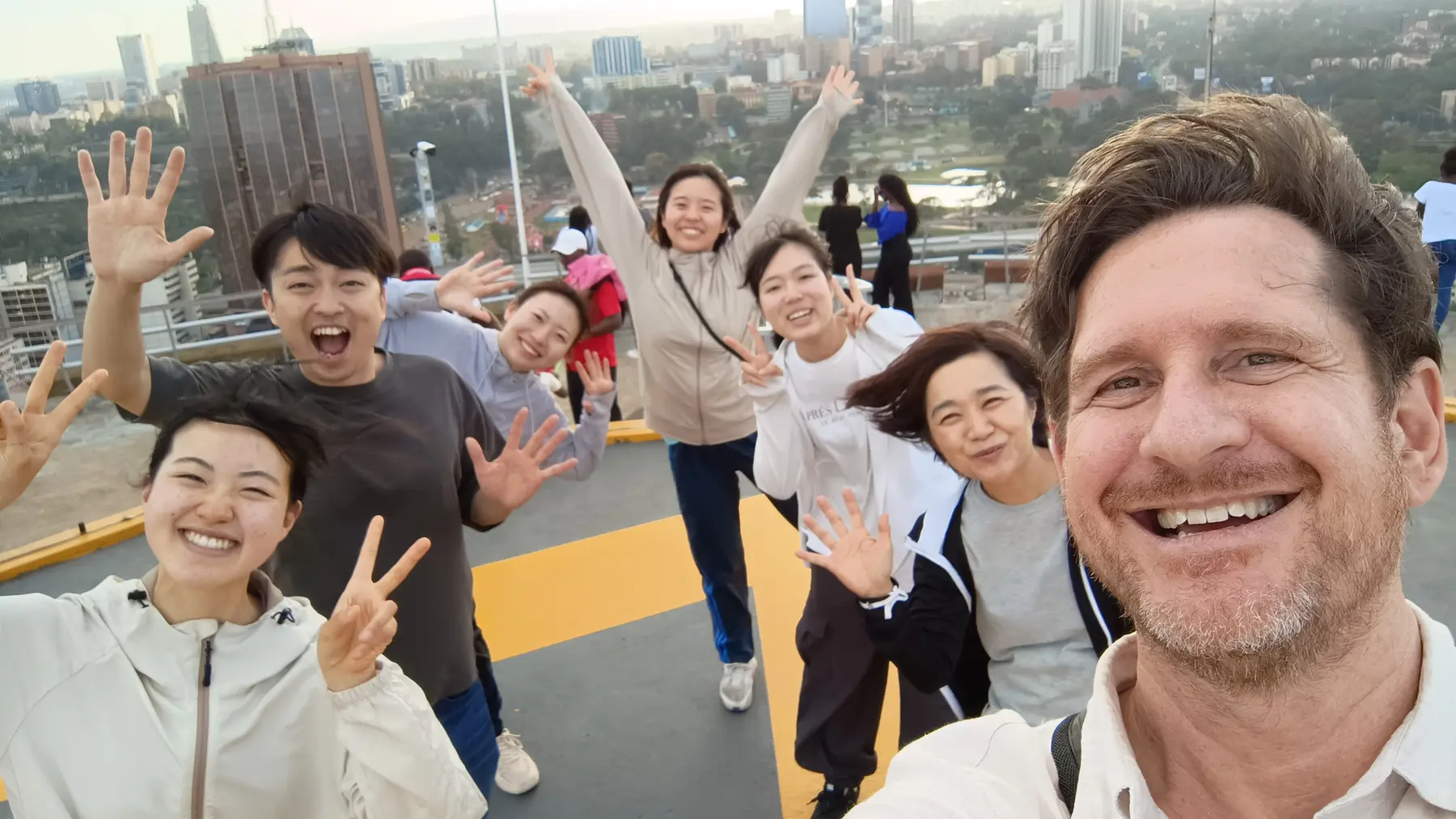
Students contribute under supervision. You are expected to prepare seriously, take responsibility for agreed tasks and remain adaptable when field realities differ from the plan.
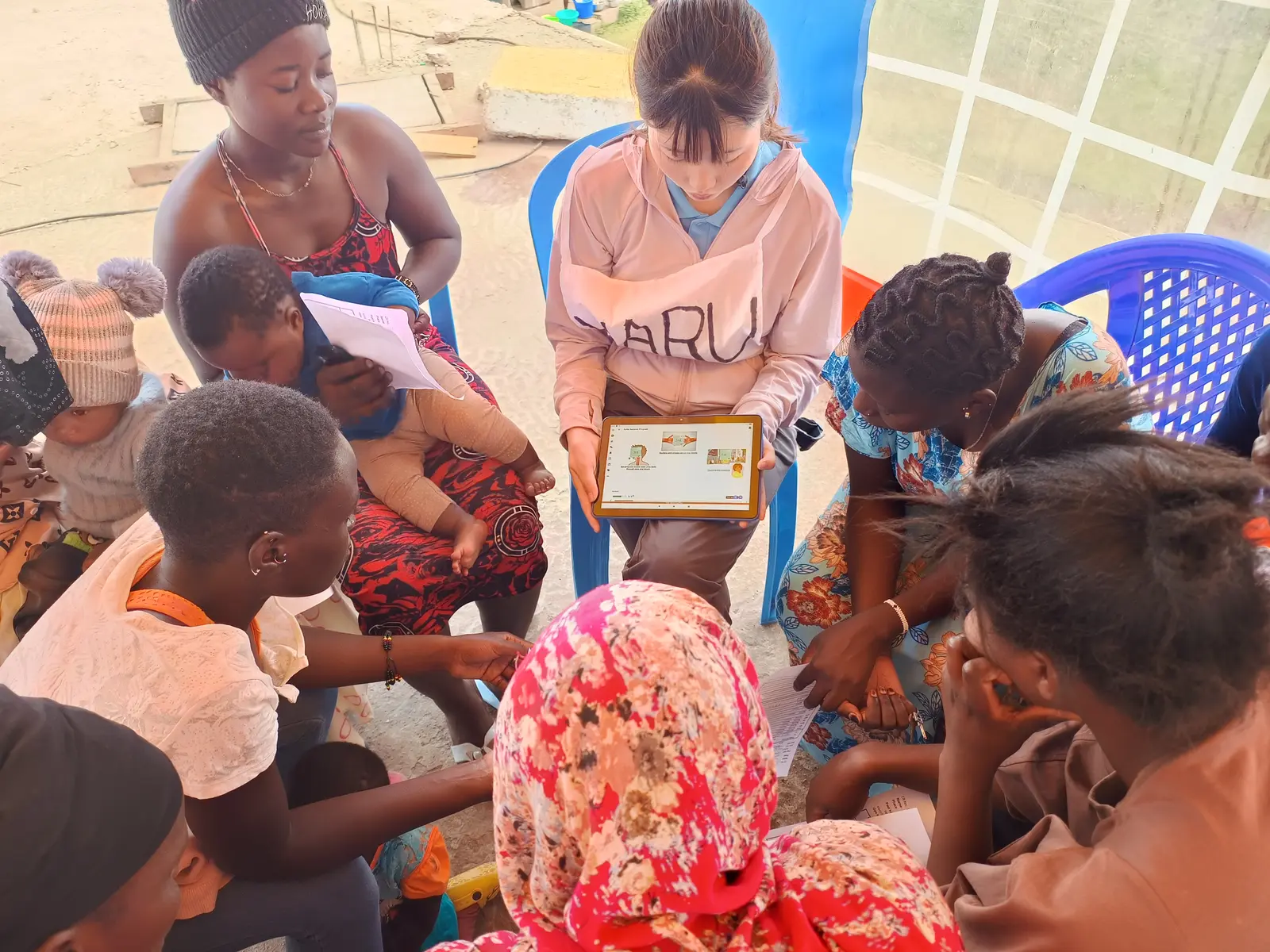

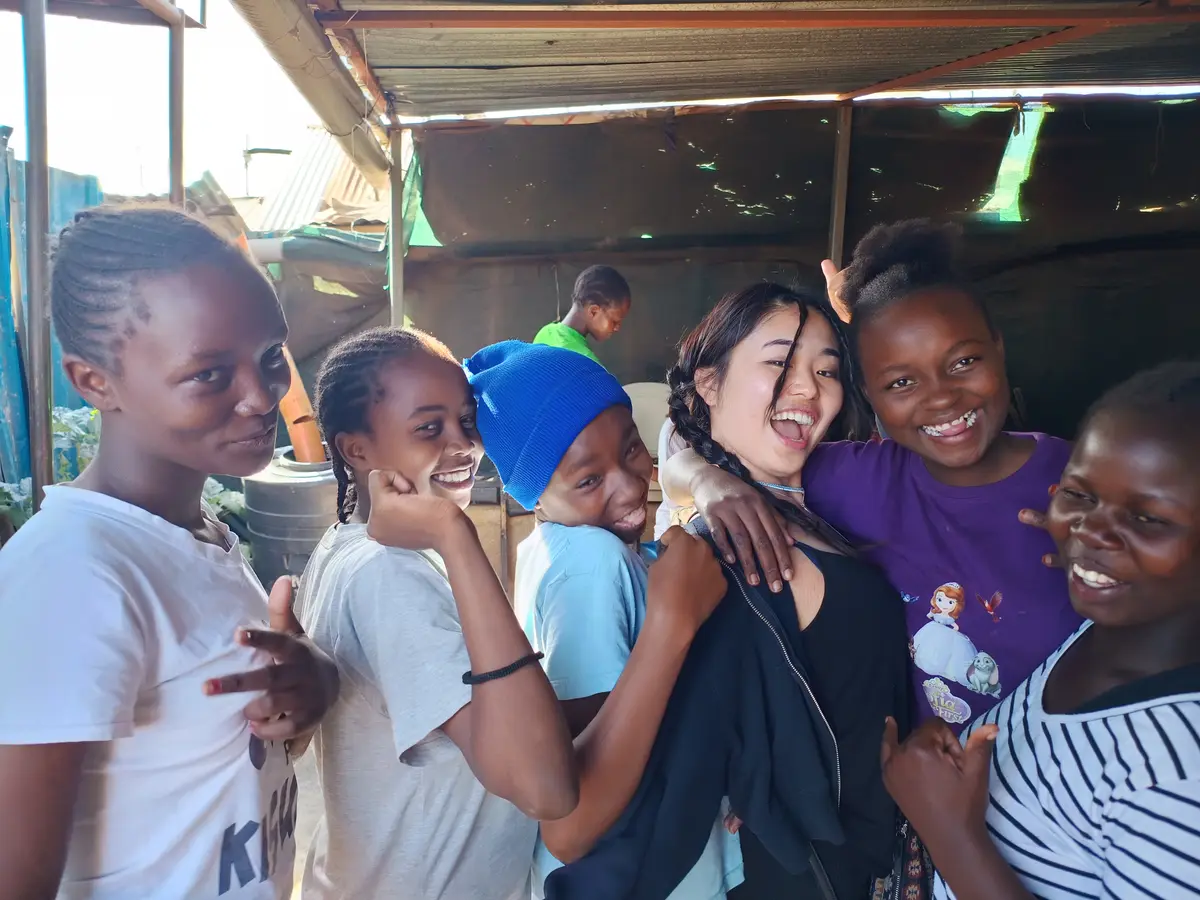
Take an educational and supportive role in activities organized with Kenyan healthcare professionals and community partners. Students do not independently diagnose, prescribe or provide treatment.
Prepare and help facilitate online and face-to-face learning adapted to the learners’ age, setting and needs. Topics vary by year and may include puberty, menstruation, sexually transmitted infections, contraception and life planning.
Work with schools, clinics, hospitals, community centres and local organizations. Activities vary with local context and may include other locally relevant health initiatives.
Join group discussions, write nightly reflective journals during fieldwork and complete pre-trip and post-trip reflective assignments. Reflection continues before, during and after the field program.
These real experiences were something I could never get from just studying in a classroom.
ISL student reflection
The program treats preparation, teamwork, community partnership, service, learning and reflection as interconnected responsibilities.
It’s not enough to just assign roles at the beginning—it’s also essential to have regular check-ins and make adjustments.
ISL student reflection
All Kenya field-program participants must successfully complete ISL I and ISL II, or have comparable training and preparation. Detailed 2027 eligibility and selection information will be provided in the official recruitment notice.
Preparation for international service-learning and the Kenyan context.
Online reproductive health and life planning education involving Kenyan youth.
The Kenya field program: reproductive health education, medical camp activities, community work and reflection.

I need to grow not just as a medical student, but also as a human being.
ISL student reflection
The field period is one part of a connected educational process. Reflection is an ongoing practice rather than a single post-program activity.
Study international service-learning and the Kenyan context.
Engage Kenyan youth in reproductive health and life planning education.
Prepare roles, activities, materials and practical arrangements.
Community activities, medical camp support, education and nightly reflection.
Complete the post-trip reflective assignment and consider future action.

The most valuable thing I gained was learning the habit and method of reflection.
ISL student reflection
Students are responsible for meeting requirements by the stated deadlines. Health and safety decisions are made for the conditions of this program, not only for entry into Kenya.
The program requires participants to complete all vaccines on the current participant checklist. COVID-19 vaccination is strongly recommended. Malarone is used for malaria prevention unless medically contraindicated.
These are HUSM ISL participation requirements based on the nature and locations of program activities. They should not automatically be described as Kenyan immigration requirements. Always use the current checklist.
Current-cycle costs, inclusions, exclusions, payment deadlines, insurance arrangements and the detailed travel schedule are still being confirmed.
Accommodation and transportation arrangements are made by the program leader, Michael Boyce.
Use the official 2027 recruitment notice before making financial or travel commitments.
These figures describe individual program cycles. They are not cumulative totals or promises that a future cycle will have the same activities, participants or locations.


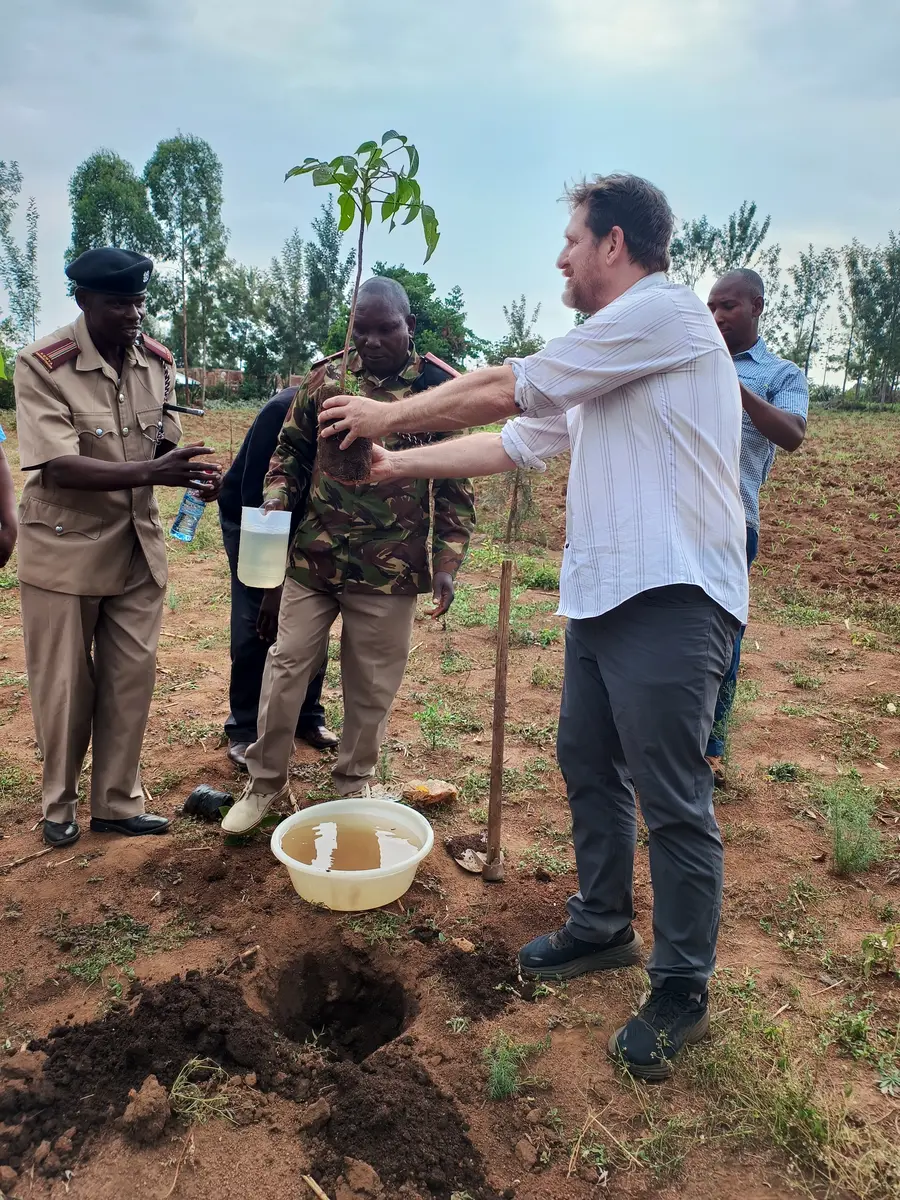
During COVID-19, the program developed online reproductive health content for Korogocho. In 2022, seven students combined in-person HUSM classes with online training involving Kenyan youth.
A 12-day, non-credit pilot with three volunteer HUSM students and two Japanese doctors worked across five locations in Korogocho, Kibera and Kwale.
Four credit students, two senior volunteers, one doctor and one echo technician joined a 13-day program in Korogocho, Kibera, Kwale and Mombasa.
During 21 days in Kenya, the team conducted 13 medical camps across 11 locations. Approximately 1,400 people received basic checks and approximately 1,000 learners joined reproductive health education.
Eight ISL students, one fifth-year clerkship student and two Japanese doctors joined the 21-day program. Thirteen medical camps recorded 926 basic examinations; 24 reproductive health classes reached approximately 855 unique learners.
Eight ISL students and four fifth-year clerkship students are planned for 11 locations: five in Nairobi, three in Migori, and three in Mbita or Homa Bay. Final activities and participant numbers remain subject to change.
All people and countries stand on equal ground and support each other in a reciprocal way.
ISL student reflection
Use these answers as a starting point. The current recruitment notice and participant handbook take priority when they provide more specific information.
All students joining the Kenya field program must successfully complete ISL I and ISL II or have comparable training and preparation.
No. Student participation is educational and supportive. Students do not independently diagnose, prescribe or provide treatment.
Program communication is primarily in English. Field activities use English, with Kiswahili and local languages used as appropriate. The program works with local interpreters when necessary.
Participants join group discussions, write nightly reflective journals during the field program, and complete pre-trip and post-trip reflective assignments.
Fifth-year medical students who participate through the clinical clerkship are formally recognized by HUSM and receive clinical clerkship credit.
Participants must complete all vaccines on the current checklist. COVID-19 vaccination is strongly recommended. Malarone is used for malaria prevention unless medically contraindicated. Consult the current checklist rather than relying on an older vaccine list.
Current-cycle costs, inclusions, exclusions, payment deadlines and insurance arrangements are still being confirmed. The official recruitment notice will provide the approved information.
The current March 2027 plan includes 11 locations in Nairobi, Migori, and Mbita or Homa Bay. Program itineraries can change, and historical locations should not be treated as guaranteed future destinations.
The March 2027 application deadline, selection process and detailed eligibility requirements are still being confirmed. Official recruitment notices, forms and deadlines take priority over this website.
Read the current recruitment notice carefully. Bring your questions about roles, time, health, costs and expectations to the information session before applying.
Application information
2027 fieldwork dates
6–27 March 2027 · 22 days
General contact
Michael Boyce
Hamamatsu University School of Medicine
For Shimane University students
Wahei Uemura
Shimane University